Wazuh for Security: Open Source Monitoring Without Blind Trust Wazuh can improve security without surrendering endpoint telemetry to a closed vendor, but only if you control what it logs, who can access it, and how long the data lives.
DNS Block Lists: Do They Actually Protect Your Privacy? DNS block lists can reduce tracking and block malicious domains, but they’re not a complete privacy solution. Here’s what they actually protect, what they miss, and how to use them effectively in 2026.
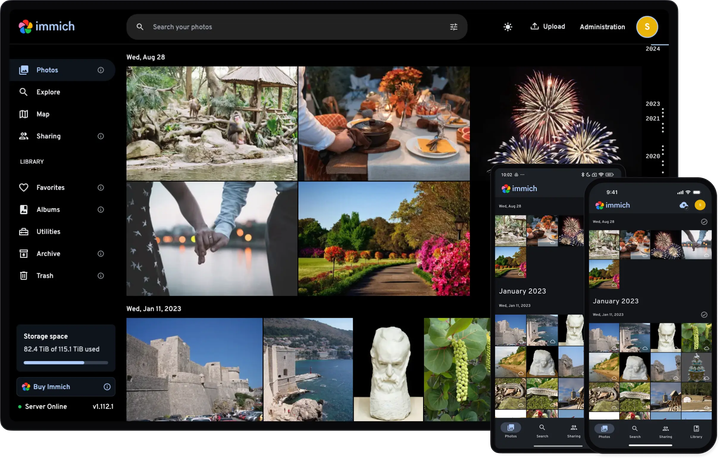
Immich: Private Photo Hosting Without Big Tech Immich is an open-source, self-hosted alternative to Google Photos that keeps your images under your control. This guide explains how it works, why it matters for privacy, and what to consider before using it.
Free Software: When You’re the Product Free software often isn’t free—you pay with your data. Learn how ad-supported apps monetize users, the risks involved, and how to choose privacy-respecting alternatives.
Local-Only AI: Keeping Your Data Off the Cloud Local-only AI keeps your data on devices you control instead of sending it to the cloud. Learn why this approach boosts privacy, reduces exposure to third-party risks, and offers a practical path to secure, self-hosted AI.
Block Ads, Boost Privacy: Why You Should Self-Host a Pi-hole Learn how to self-host a Pi-hole to block ads and trackers across your entire network. Discover setup steps, privacy benefits, and key tips to safeguard your digital life with this open-source network-wide ad blocker.
NAS for Private Cloud Storage: Take Control of Your Data Discover how to use NAS (Network Attached Storage) as your private cloud. Learn the setup steps, privacy benefits, and best NAS devices for secure, self-hosted file storage.