CVEs Explained Simply CVEs are public identifiers for known security vulnerabilities. This guide explains how CVEs work, why they matter for privacy and data protection, and how to use them to reduce real-world digital risk.
Understand Terms of Service Before You Click Accept Terms of Service; Didn’t Read helps you understand what you’re really agreeing to before clicking “accept.” Learn how ToS;DR exposes hidden privacy risks, where it falls short, and how to use it to make better digital decisions.
Data Sovereignty Starts at Home Governments are rethinking data sovereignty as reliance on foreign tech becomes risky. This guide explains what data sovereignty really means—and how individuals can apply the same principles to their own digital lives.
Education Is the Best Deterrent Against Cyber Attacks Cybersecurity skills gaps—not headcount—are the biggest risk in 2025. New ISC2 research shows why education is the most effective deterrent against modern cyber attacks.
Mullvad Browser: A Practical Tool to Reduce Web Tracking and Profiling Mullvad Browser is designed to stop tracking and profiling by making users blend in rather than stand out. This guide explains how it works, where it excels, and the mistakes that quietly undermine its privacy benefits.
What Is RCS Messaging—and Is It Actually Secure? RCS messaging adds modern features to SMS, but its security is widely misunderstood. This guide explains when RCS is encrypted, who can see your messages, and why privacy-focused users should be cautious.
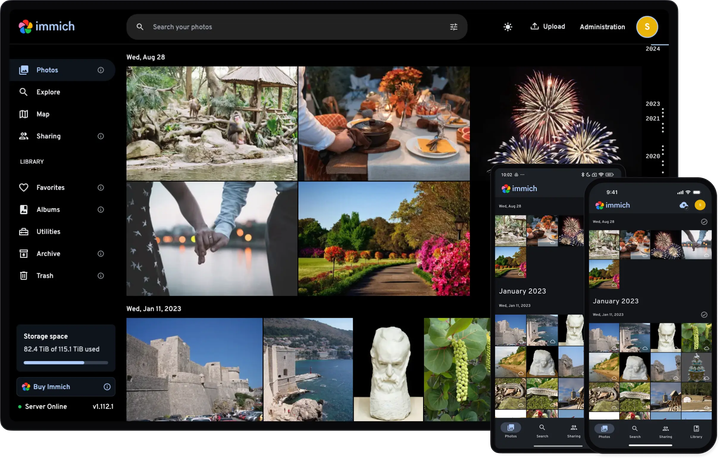
Immich: Private Photo Hosting Without Big Tech Immich is an open-source, self-hosted alternative to Google Photos that keeps your images under your control. This guide explains how it works, why it matters for privacy, and what to consider before using it.